Ten pools, 10% each
Each holds 10% of supply, quoted in a different Robinhood stock — NVDA to DJT — all opened at the same market cap.
 RWA
Real World Asses
RWA
Real World Asses
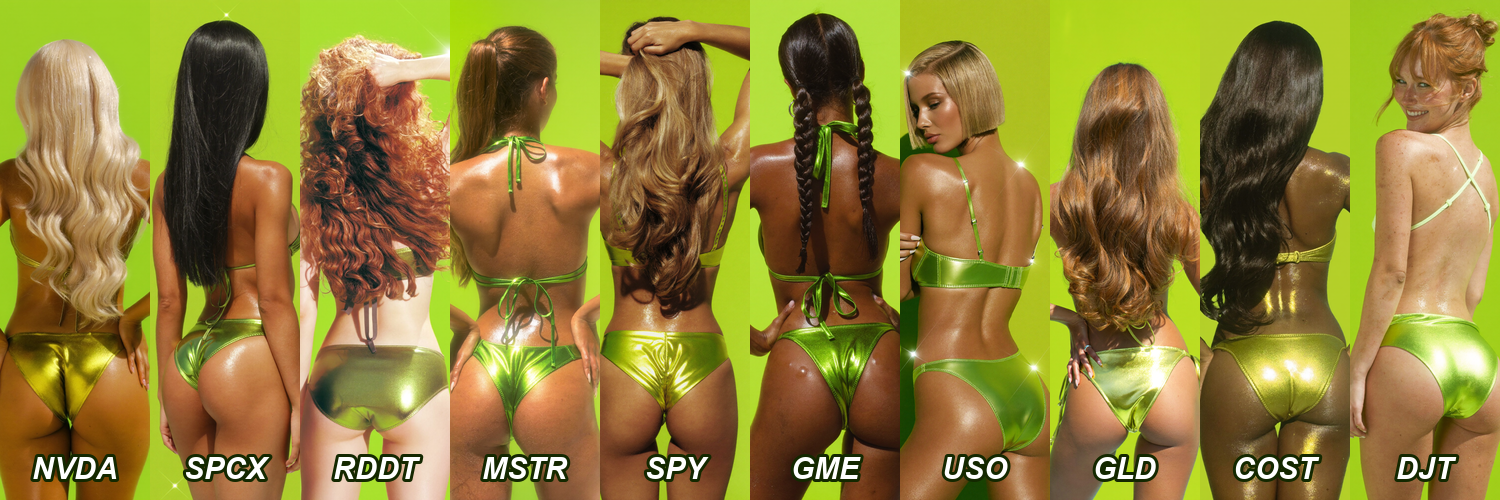
One token. Ten asses. Ten stock pools, live.
Each ass is an up. Slipstream pool holding 10% of supply, quoted in a different Robinhood tokenized stock. The bar under each shows how far that pool has drifted from the median.
RWA trades directly against ten Robinhood tokenized stocks — NVDA to DJT — each in its own up. pool. You buy it with the stock you already hold, and every trade deepens that pool’s reserve of its equity.
All ten open in a single transaction at the same market cap. After that they move independently, which is why the ten numbers above are rarely identical.
Every trade pays a 1% base fee that up.’s fee module lifts when volatility picks up. The stock side of collected fees goes to the treasury; the RWA side is burned on collection, permanently reducing supply.
Ten pools means ten fee streams — every stock in the basket pays its own. The treasury stacks equities while the float only shrinks.